How Stain Colors Influence Buying Decisions and Elevate Design
Color isn’t just visual—it’s strategic.
In commercial architecture and millwork, stain choice has the power to sway purchase decisions, shape perception, and create consistency from quote to install. At Forte, we know a well-chosen stain finish does more than complete the product—it brings confidence to the customer and cohesion to the space.
Here’s how stain color plays a critical role in both buying behavior and building design—and why it matters to your customers.
The Power of First Impressions
Stain is often the first thing your customer sees—and that impression sticks. Rich tones like Bourbon or Espresso can signal sophistication and craftsmanship, while lighter finishes like Cane offer a clean, modern look aligned with today’s minimalist trends.
When a finish resonates emotionally or aligns with their design intent, it simplifies the decision and moves the project forward faster.
Offering Options That Align with Design Trends
Stain preferences shift with architectural and interior design trends. Offering finishes like Graystone or Stout—rooted in today’s most requested palettes—positions you to deliver relevant solutions without custom color development.
This not only streamlines selection but reinforces your role as a knowledgeable partner with product options designed to support faster, more confident decisions.
Color Consistency Reflects Quality
Even a well-built door can raise concerns if the stain looks uneven or inconsistent. Color-controlled, professionally applied finishes help—but just as important is selecting the right stain for the right veneer.
For example, darker stains on rotary natural birch—a species known for wide grain and color variation—can help minimize contrast and create a more uniform, refined appearance across the surface. This approach not only elevates the look but can also be more cost-effective, as rotary natural birch is typically a more affordable option.
Conversely, with more consistent veneers like select white maple, a clear or light stain enhances subtle grain details, showcasing the natural beauty of the wood without overpowering it.
Whether through expert application or thoughtful pairing of stain and substrate, a smooth, evenly toned finish reinforces perceived quality and builds trust—especially in high-visibility environments where first impressions matter.
Design That Starts with Stain
Stain color isn’t just about the door—it contributes to the visual and emotional tone of the entire space. From mood to material coordination, stain supports the broader design vision and helps ensure everything works together seamlessly.
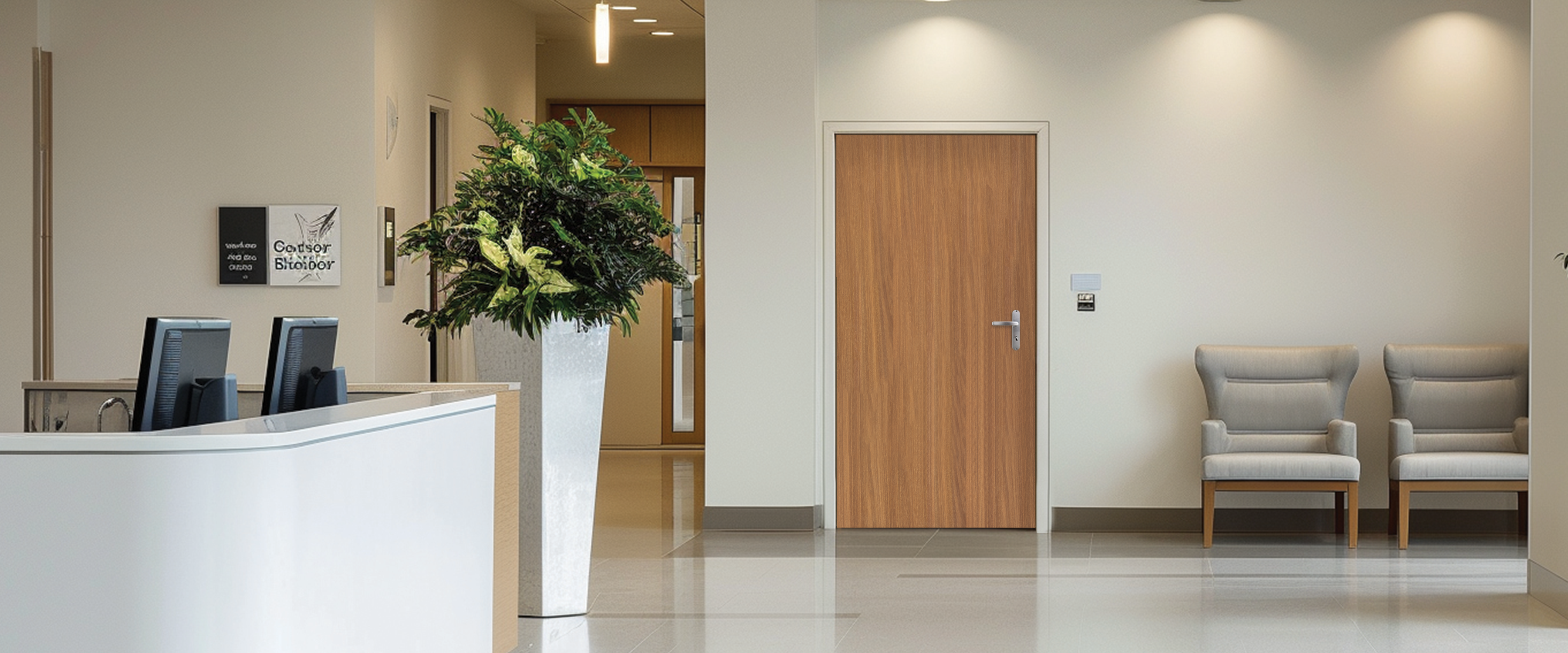
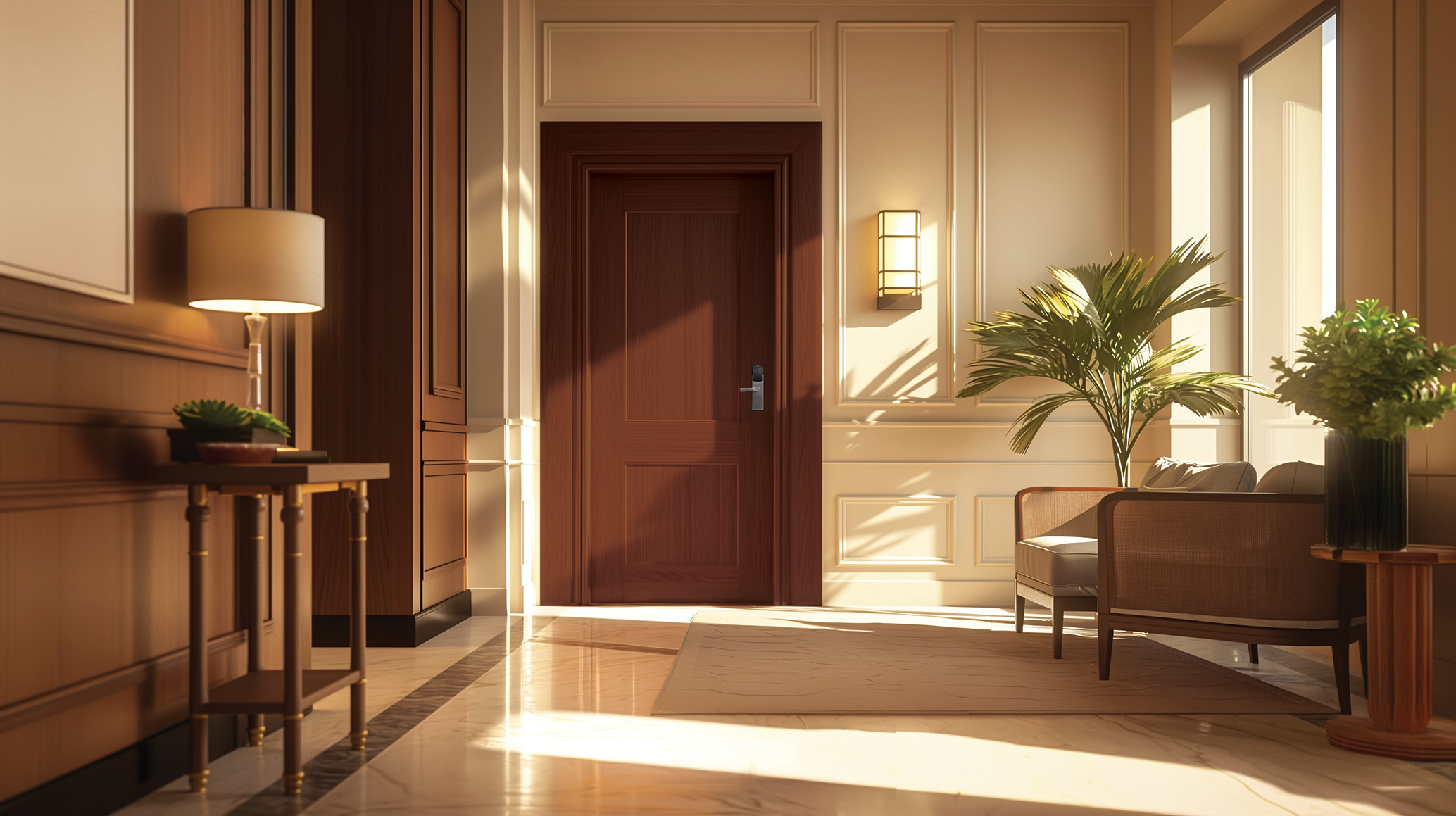
Set the Mood: Warm tones create comfort and familiarity—ideal for hospitality, retail, and residential. Cool tones bring a professional calm to healthcare, education, or office settings.
Unify the Palette: A well-chosen stain can pull together flooring, wall colors, hardware, and furnishings for a more intentional, finished space.
Work with Light: Light stains reflect natural light, making smaller or darker areas feel more open. Dark stains add weight and contrast in larger or brighter spaces.
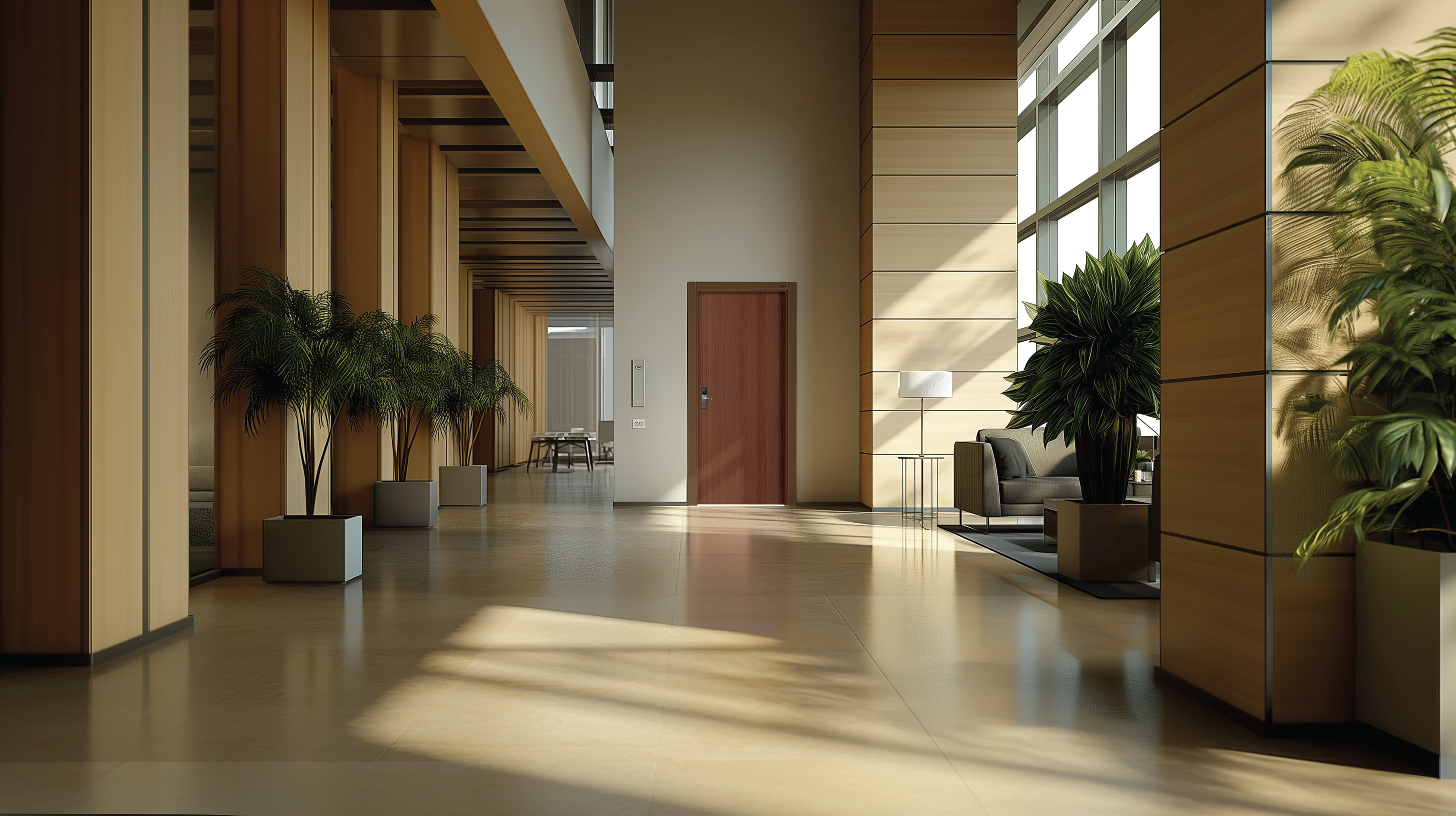
Support Biophilic Design: Stains that showcase natural wood grain help connect people with nature, which is proven to support well-being and reduce stress.
Final Thought
Stain finishes may seem like a final step—but for customers, they’re often the deciding factor. The right color creates alignment, signals quality, and reinforces confidence in the product and the partner delivering it.
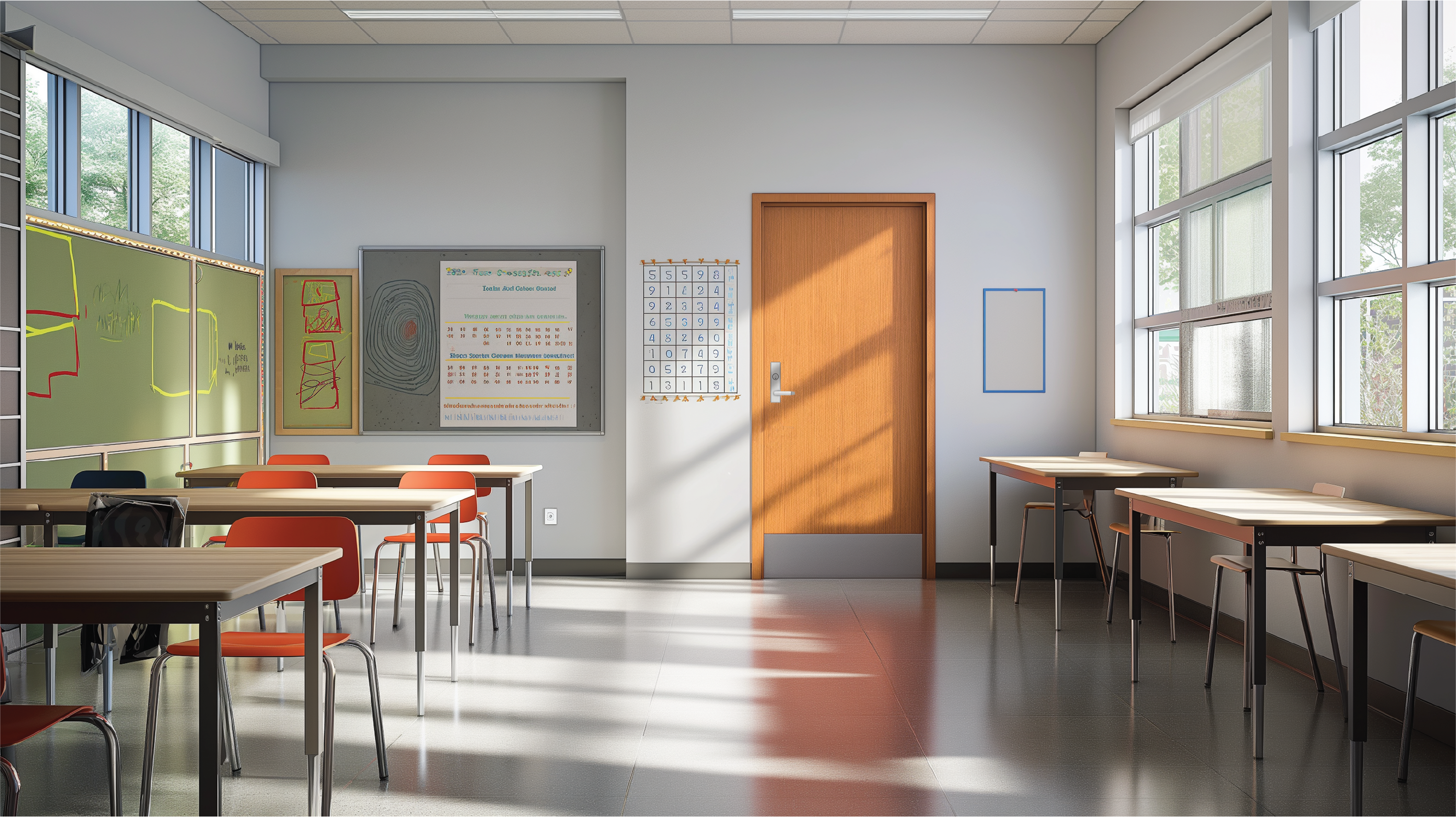
Whether you're supporting a high-traffic school, a boutique hotel, or a modern workplace, understanding how stain influences design and buying behavior helps you guide smarter selections and deliver results that feel as good as they look.
Need help selecting the right product?
MoreBlogs